US inflation stays high, fueling December rate hike expectations
US consumer prices rose 0.4% in October, exceeding forecasts and keeping inflation well above the Federal Reserve's target, increasing pressure for another interest rate increase in December.
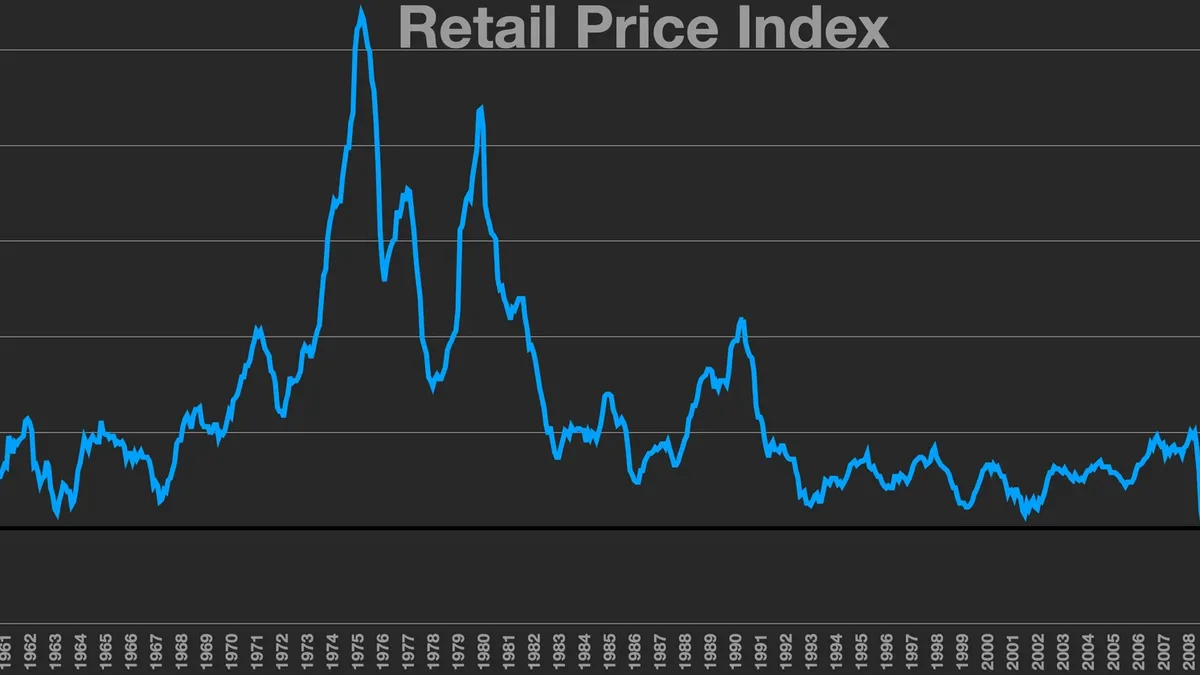
US inflation rose 0.4% in October, higher than the 0.3% analysts expected. Prices have now been above the Federal Reserve's 2% target for more than five years. The monthly increase, while down from September's 0.6%, was driven by persistent rises in housing, food, and energy costs. The consumer price index rose 0.4% on a monthly basis in October 2026, after seasonal adjustments. The annual inflation rate stood at 3.7% for the 12 months to September.
Core CPI, which excludes volatile food and energy prices, rose 0.3% in October, matching the readings from September and August. Housing was the largest component, with the shelter index rising 0.3% and accounting for over 30% of the overall CPI increase. Food prices rose 0.5% in October after being unchanged the previous month.
Energy price increases slowed significantly, rising 0.7% in October compared to a 5.2% surge in September. Gasoline prices rose 1%, a sharp pullback from the 9.1% monthly increase seen in September. However, diesel prices remain raised. Thomas Ryan at Capital Economics warned that high diesel costs could spill broadly into the economy for at least the next three to six months. Airfares climbed 0.4% in October, a slowdown from larger increases in prior months.
Tariff impact on prices
New tariff measures are contributing to price rises. Since returning to office, President Donald Trump has introduced tariffs on most US trading partners, including a new 10% global tariff. Research from the New York Fed found that foreign exporters reduced prices very little, meaning US-based businesses absorbed nearly 90% of the added tax cost. The Fed concluded that every percentage point increase in average tariffs led to nearly a 0.25% price increase for consumer goods after one year.
Josh Hirt at Vanguard Group stated that core inflation reflects three outsized shocks: tariffs, energy prices, and AI-related demand. Categories like toys, furniture, and appliances saw raised inflation rates in October, likely due to businesses passing on tariff costs.
Energy and food costs drive monthly rise
Sharp increases in energy and food prices sustained overall inflation pressure. The war in Iran has raised oil prices, pushing up costs for fuels like gasoline, diesel, and jet fuel. This follows a pattern from early 2022 when Russia's invasion of Ukraine sent oil prices surging over $100 a barrel. Both events helped drive inflation to a peak of about 9%.
Policy response and market outlook
The higher-than-expected inflation pace strengthens arguments for the Federal Reserve to raise interest rates at its December meeting. When inflation is too high, the Fed raises rates to encourage saving over spending. Federal Reserve governor Christopher Waller said he was "leaning towards a rate increase in December even if October's figures were slower than expected."
Mark Zandi, chief economist at Moody's, said inflation is 'uncomfortably high' and makes another rate increase more likely. The Fed raised rates in September 2026 amid a recent pickup in inflation largely attributed to the war in Iran, and held rates steady in October. Markets are now bracing for the continuation of higher borrowing costs.