Trump Enters Lame Duck Period as Democrats Control Congress
President Trump's legislative influence is curtailed after Democrats gained control of both houses of Congress in the midterm elections, creating economic uncertainty as he enters the final two years of his term.
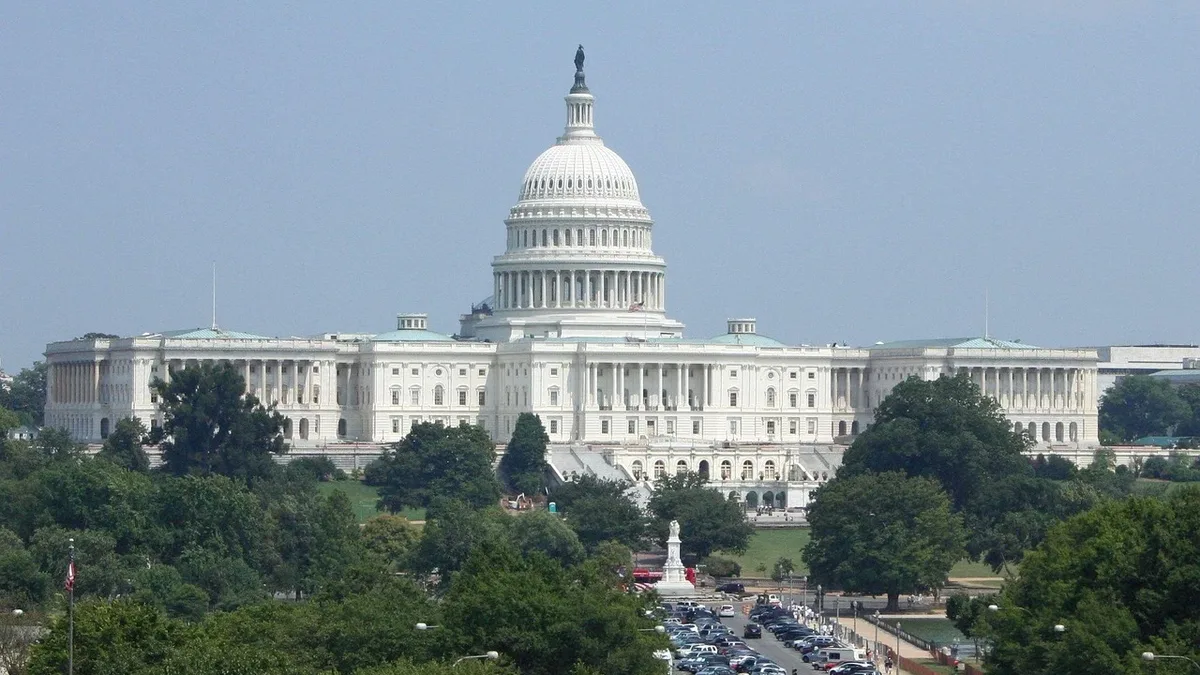
President Donald Trump's second term ends in January 2029, but he is now entering a two-year lame duck period. His political control was weakened after Democrats gained majorities in both the House of Representatives and the Senate in the 2024 midterm elections, significantly reducing his legislative influence. Attention is already turning toward the 2028 presidential race and potential successors.
Democratic Congressional Control Limits Presidential Agenda
The US midterm elections resulted in Democrats sweeping aside the Republican party. They flipped 21 seats in the House and 7 in the Senate, securing the majorities needed to control both chambers. Voter frustration over President Trump's handling of the economy, affordability, and foreign policy, including the Iran War's impact on energy prices, drove the result described as a 'blue wave'.
This new Democratic control enables them to block the president's legislative agenda and reject his appointees. They will oversee key spending bills and convene hearings to investigate his administration. With control of the Senate, Democrats can block votes on Mr. Trump's nominees to key federal positions. His ability to convince Republicans to support his policies is now curtailed.
Economic Pressures and Policy Constraints
Economic challenges persist as the president's policy-making ability is constrained. The headline US inflation rate rose to 3.7%, with US diesel prices hitting a record high in August. Brent crude oil traded at about $94 a barrel, far above its prewar level of roughly $70. The International Monetary Fund expects global headline inflation to rise to 4.7% this year. US voters prioritized tackling the cost-of-living crisis in the election.
The US Federal Reserve has increased the cost of borrowing. Analysts at Berenberg said US growth could slow to about 1.5% in 2028, though the IMF forecast stable US growth of 2.3% for this year and next. Markets initially dropped in Asia overnight but rallied after the midterm results. The White House issued a public service announcement stating Trump is still your president after the election.
Executive Authority and Veto Power
Despite the legislative setback, the president retains significant executive authority. He can use executive orders to bypass gridlock and has actively exercised this power through tariff imposition and launching the Iran war. Presidential vetoes require a two-thirds majority in both chambers to override, a threshold Democrats cannot achieve alone. Trump stated he would veto insane Democratic legislation, predicting they would seek cooperation after months of vetoes.
Historical examples show lame duck presidents achieving major goals using executive authority. Obama finalized the Iran Nuclear Deal, Clinton protected 58.5 million acres of federal land, and Biden directed $61bn aid to Ukraine. Trump has already used such powers, declaring a national emergency in January 2025 to divert funds for a border wall after Congress allocated insufficient border funding. The US Constitution grants presidents wide-ranging discretion in foreign policy, allowing meetings with foreign leaders and limited military strikes without Congressional approval.
The president's strategy now centers on his veto power to block legislation, as Democrats lack the votes to override. Congress' ability to restrain a president is limited without a two-thirds majority in both chambers, which the midterm victories did not deliver. The US government also faces a spending authorization deadline on 11 December to avoid a shutdown. The president continues to use his executive authority to bypass legislative gridlock during his two-year lame duck term.