Bank of England poised to raise rates to 4%
The Bank of England is expected to increase interest rates from 3.75% to 4% on Thursday, the first hike since August 2023, as inflation pressures mount.
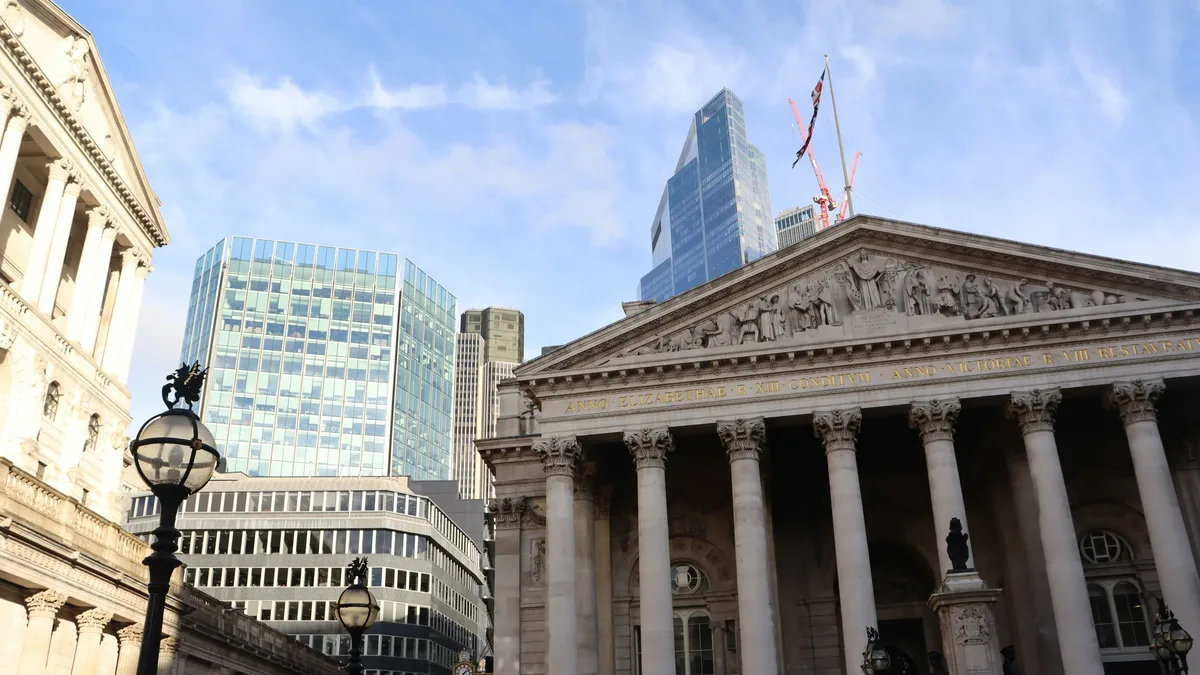
The Bank of England is set to raise interest rates from 3.75% to 4% on Thursday, 5 November. This marks the first increase since August 2023. Traders widely expect the Monetary Policy Committee to vote for the 0.25 percentage point hike. The announcement will be made at 12:00 GMT.
Inflation pressures mounting
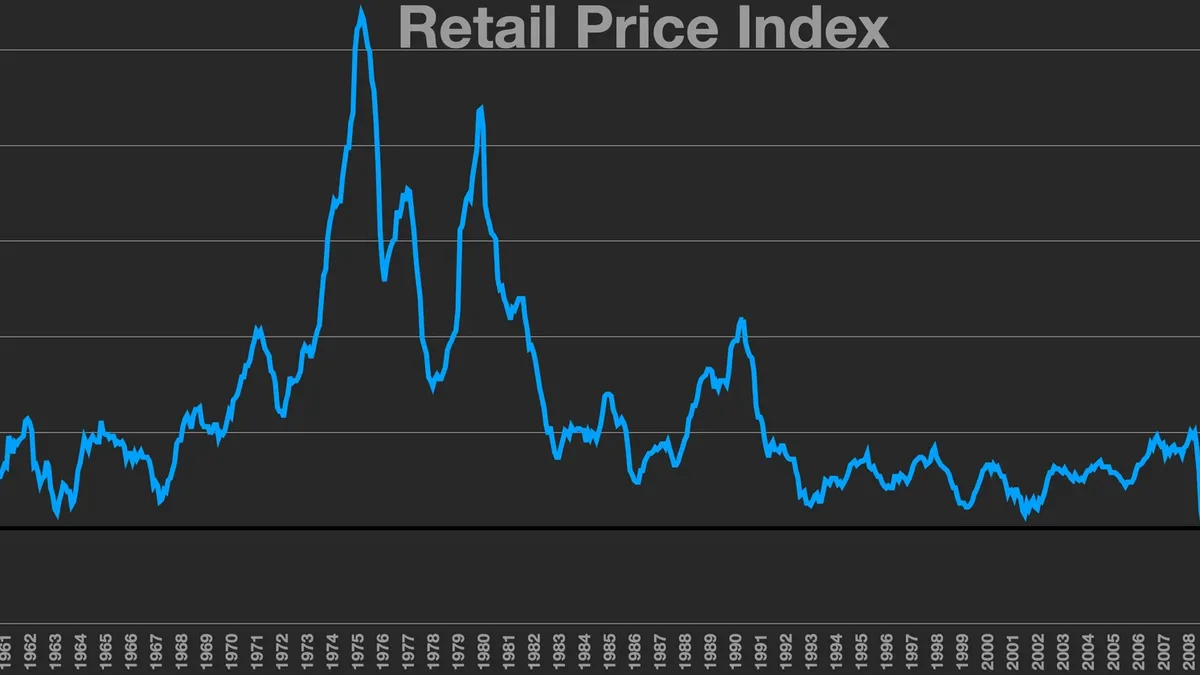
Annual consumer price inflation rose to 3.5% in September, the highest in 11 months. The Consumer Prices Index (CPI) was up from 3.1% the previous month, remaining well above the central bank's 2% target. Energy prices have surged due to conflict in the Middle East, pushing CPI higher. Rising inflation, driven primarily by the cost of petrol and diesel, is expected to push policymakers into action.
Mortgage impact on households
Borrowers on variable deals will face increased monthly repayments. The 470,000 mortgage-holders on such deals would see an average £14 increase per month. A 0.25 percentage point rise would mean a £31 increase for someone with a typical tracker home loan. Borrowers on five-year fixed deals face a much bigger bill when rolling off their current deals.
Average rates offered by major lenders suggest some borrowers now face almost £5,000 more each year in repayments on a £200,000 mortgage compared to 2021 deals. The current average mortgage rates are:
| Mortgage Type | Average Rate |
|---|---|
| Two-year fixed | 5.96% |
| Five-year fixed | 5.99% |
Higher mortgage rates have reduced buying power by 15% for mortgage-dependent purchasers. Zoopla expects 100,000 fewer housing transactions in 2026 than in 2025. Seasonally adjusted residential transactions fell by 1% in September to 94,800.
Economic resilience amid cost pressures
The services sector showed surprising strength. Its PMI rose from 52.1 to 52.8 in October, reaching an eight-month high and indicating expansion. The sector added staff, ending two years of continuous job cuts, and saw a solid rebound in new orders. It benefited from demand for AI applications and software services linked to a datacentre construction boom. However, growth in business-to-business services was not matched on the high street due to subdued consumer confidence.
Unemployment fell to 4.7% in the three months to August, the lowest in over a year. UK economic output increased by 0.1% in August. Despite this resilience, cost pressures are acute. The services sector saw input price inflation accelerate to a five-month high. About four in ten services firms reported an increase in input prices.
The path ahead
Suren Thiru, chief economist at the ICAEW, said an interest rate increase to 4% looks 'all but certain'. Deutsche Bank expects a 6-3 vote in favour of a rate rise with support from governor Andrew Bailey. Financial markets expect three further interest rate increases after Thursday's move. Pantheon Macroeconomics believes the Bank could signal the possibility of two rate rises. Most City economists believe inflation will peak in the spring of next year.
Chris Cheverall observed that "The decision is increasingly less about whether rates reach 4% and more about what follows after that." Close attention will be paid to any hints from the MPC on the future direction. Savers could see improved interest rates, while the cost of new loans may be influenced. Millions of domestic energy customers are also braced for a hefty rise in prices in January, with Ofgem's price cap forecast to rise by 22% after a 3.6% increase in October.
The Bank's announcement at 12:00 GMT on Thursday will be scrutinised for signals on how high rates may ultimately go.