Budget targets cost of living with energy bill reforms
Chancellor John Healey's first budget offers temporary energy bill relief and scraps standing charges, balancing short-term help with strict fiscal rules amid economic resilience and inflation pressures.

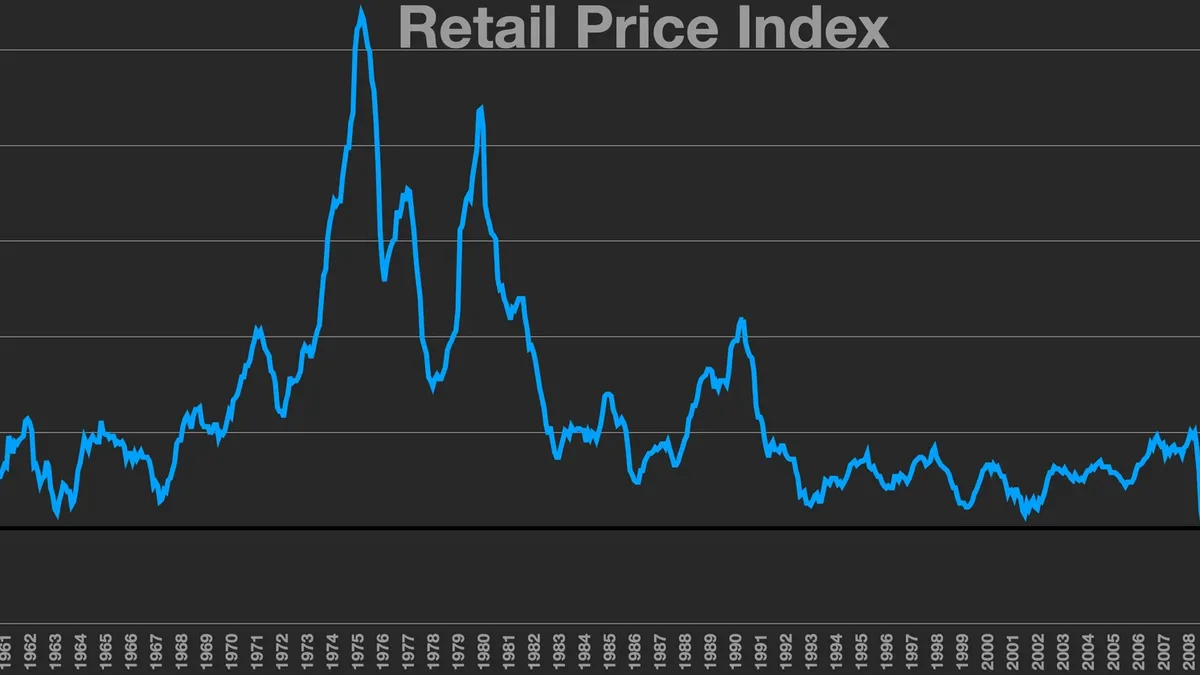
Chancellor John Healey delivered his first budget on Wednesday, targeting cost of living pressures with immediate energy bill support and longer-term market reforms. The package arrives as households face soaring energy costs and inflation, which hit an in-year high of 3.5% last month partly due to conflict abroad, while the government commits to fiscal discipline.
The UK economy shows resilience with investment up and productivity growing, recording the joint fastest G7 growth in the first half of the year. This contrasts with a sharp fall in consumer confidence and significant market pressure, with expectations the Bank of England will hike rates four times to 4.75% over the next year. The government's scope for major spending is limited by stretched public finances and international market turmoil, which recently saw the UK pay the highest yield on new five-year bonds since 2008, above 5%.
Energy cost relief and reforms
Targeted support for households and long-term energy market changes aim to ease living costs. Temporary support for poorer families will be offered ahead of a steep rise in typical energy bills in January. For the longer term, the chancellor will scrap standing charges on gas household bills, the fixed daily fees, a move advocated by figures like Andy Burnham which could save up to £50 off a typical annual bill.
The Warm Home Discount, which provides an annual sum off electricity bills for eligible households, is expected to rise from £150 to £250. These reforms are part of a broader plan to bring down bills for all households. However, industry experts fear that hydrogen and carbon capture investment will face spending cuts, which could harm the UK's net zero targets.
Fiscal constraints and spending priorities
Limited fiscal space forces targeted tax changes and spending shifts, including defence and local devolution. The government will ease the cost of living responsibly while sticking to its self-imposed fiscal rules, which block borrowing for day-to-day spending. Tax rises in the budget are described as modest and targeted, primarily at banks and the gambling sector.
Taxes on Britain's banks may be raised, potentially reversing previous cuts and generating over £2 billion annually. The chancellor will also crack down on online retail platforms like Amazon and eBay, making them responsible for collecting tax owed by firms selling on their sites. Other measures include cancelling January's planned fuel duty increase and making the Help to Buy scheme more generous for middle-earners.
The budget sets out a roadmap to devolve more tax revenues to local leaders, shifting spending power from Whitehall. On defence, the government aims to increase spending to 3% of national income by 2030, with a downpayment investment expected. The chancellor will also end the carers' allowance cliff edge, which penalises unpaid carers for small earnings overages, and shield nearly one million people from income tax to protect pensioners and savers.
Wage and welfare changes see the minimum wage increase by nearly 4%, though the rise for under-21s will be slowed. The chancellor will hand out billions of pounds more to benefit claimants, a move criticised by Conservative leader Kemi Badenoch, who states the government has chickened out of tackling out-of-control welfare. This occurs as businesses in financial distress hit their highest level in over two decades, with hospitality and construction hardest hit.
The budget assumes drilling for oil and gas at the Rosebank field west of Shetland will be approved, generating significant tax revenues. Government insiders state Rosebank can be approved without breaching UK carbon emission targets because exported oil's emissions no longer count against domestic targets, though Energy Secretary Miatta Fahnbulleh and Foreign Secretary Ed Miliband oppose the project. Chancellor John Healey acknowledged the UK faces a difficult moment but insisted on putting the country on a better path through this mix of fiscal discipline and targeted reforms.