Fed Holds Rates Steady as Inflation and Elections Loom
The Federal Reserve held interest rates at 3.75%-4% amid strong 3.4% GDP growth, while raised 3.7% inflation and internal dissent signal ongoing policy tension ahead of December's meeting.
The US Federal Reserve held its benchmark interest rate steady at a target range of 3.75% to 4% on Wednesday. This pause follows a quarter-point increase in September, the first rate hike in three years, as the central bank contends with an economy growing faster than expected while inflation remains stubbornly high. The US economy expanded at a 3.4% annualised rate in the third quarter, driven by robust consumer spending and a surge in private investment, particularly in artificial intelligence.
Economic activity continues to expand at a strong pace, supported by resilient domestic spending, strong productivity growth, and robust capital investment. Job gains have kept pace with workforce growth, while the unemployment rate has changed little. Personal spending increased at an annualised rate of 3.8%, and private investment soared by 19.4%. Fed Chair Kevin Warsh cited robust consumer spending, a low unemployment rate, and healthy overall economic growth as indicators moving in the right direction. He stated, "The overwhelming consensus, the overwhelming judgement, is that what we've done in this monetary medicine is starting to work some."
Inflation remains raised despite pause
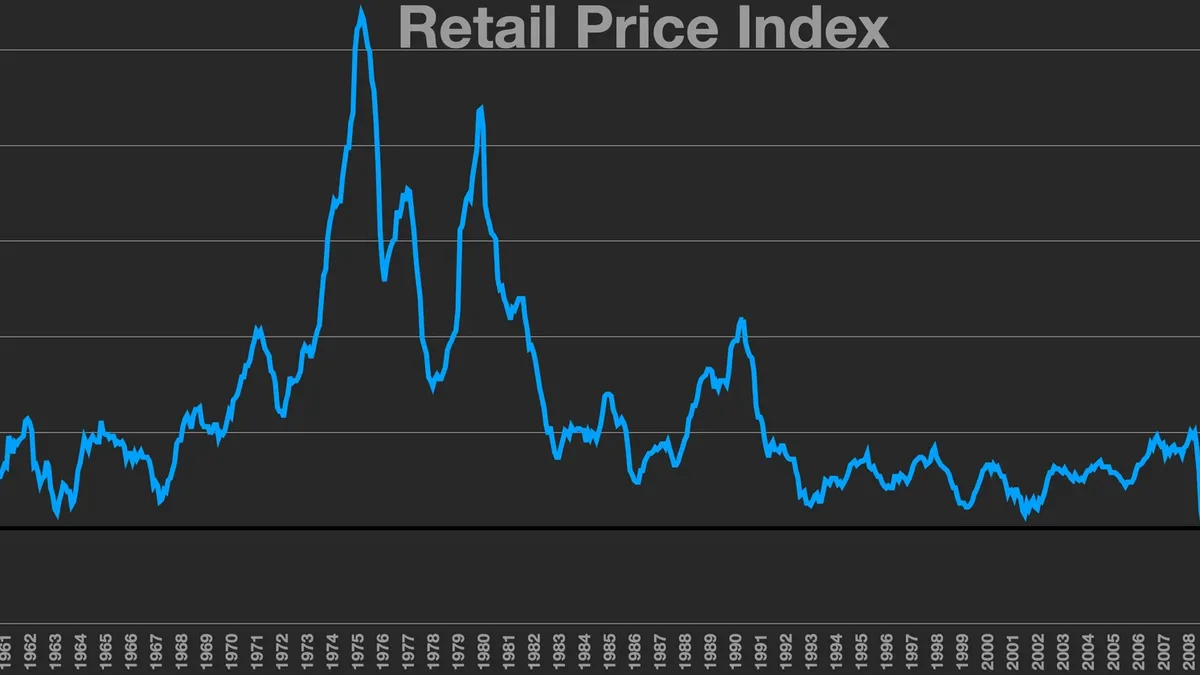
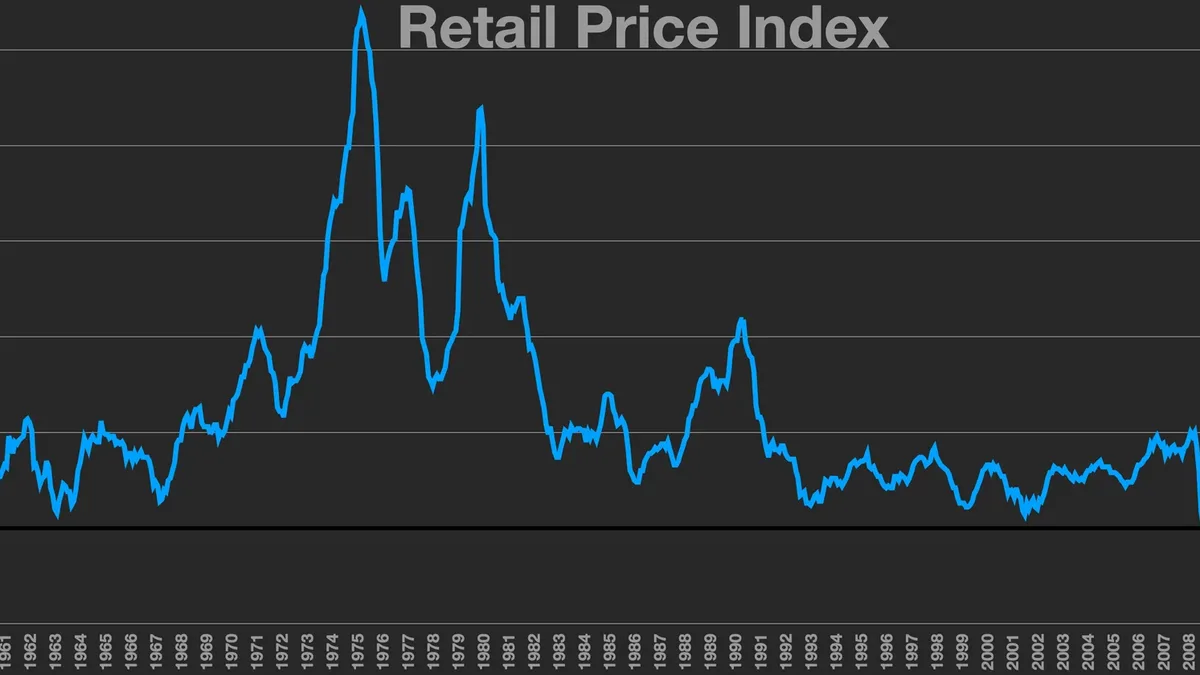
Inflation ran at 3.7% in the year to September, matching the increase seen the previous month. The spike has been driven higher by fuel and energy prices, which have surged following the war in Iran that began eight months ago. Dan North, senior economist at Allianz Trade, stated inflation is worsening since the conflict began. Core inflation, which strips out volatile food and energy prices, rose 2.6% from a year ago. Solid economic growth and steady consumer spending are also exerting upward pressure on prices, complicating the task of taming inflation. The Fed acknowledges that inflation remains "too high" and that it has not yet succeeded in bringing it under control, having run above the committee's 2% objective for close to six years.
Divergent Fed views on future hikes
The Federal Open Market Committee's vote to hold rates was not unanimous. Ten members voted to keep the benchmark rate steady, while two officials-Fed Board Governor Lisa Cook and Cleveland Federal Reserve Bank President Beth Hammack-voted to raise it by 0.25 percentage points. This internal disagreement reflects ongoing debate over the best method to control inflation. Financial markets are pricing in an additional 0.75 percentage points of tightening over the next year. While most committee members expect interest rates to rise this year, investors anticipate a hike at the December meeting. Brian Mulberry, chief market strategist at Zacks Investment Management, expects a 9-3 or more divided vote on future rate policy.
Higher interest rates continue to affect borrowing costs across the economy, increasing financing for everything from school construction and public safety facilities to auto loans and credit cards. Mortgage rates are north of 7%, contributing to a deep housing market slump. The Fed's pause could provide some borrowers with breathing room, though some loan rates may continue to climb heading into the holiday season.
Election timing adds urgency to policy debate
The latest rate decision comes less than a week before Americans head to the polls for the midterm elections, where affordability issues are a top concern for voters. Lower- and middle-income Americans are experiencing declining purchasing power as wages lag behind rising living costs, though upper-income families continue to spend. The next Federal Open Market Committee meeting is scheduled for December 8-9, just weeks after the November election. Chair Warsh demurred when asked if officials would raise rates at that meeting, citing his reluctance to telegraph policy views. The Fed's path is complicated by the Iran war, which has kept global energy costs raised, making it harder to bring down domestic prices. A solid GDP report is expected for the third quarter, covering July, August, and September. The central bank will decide on potential rate adjustments at its December meeting, where election-related economic concerns will be a fresh backdrop.