September 2026 Personal Income and Spending Show Modest Gains
U.S. personal income and consumer spending rose modestly in September 2026, with inflation persisting at a 3.6 percent annual rate and the savings rate dipping to 3.8 percent.

Personal income and spending in the United States posted modest gains in September 2026. Personal income increased $54.5 billion, or 0.2 percent, while disposable personal income rose $52.7 billion, also a 0.2 percent gain. Consumer spending, measured by personal consumption expenditures, climbed $113.1 billion, or 0.5 percent. The increase in income was driven primarily by higher compensation, led by private wages and salaries, and increased government social benefits, notably from Medicare.
Spending composition and inflation
The $113.1 billion rise in consumer spending was split between goods and services. Spending on services, which constitutes the larger share of consumption, led the increase. The personal consumption expenditures price index, the Federal Reserve's preferred inflation gauge, advanced 0.5 percent from the prior month. Compared to September 2025, prices were up 3.6 percent.
Excluding the volatile food and energy categories, the core PCE price index increased 0.3 percent for the month and 3.1 percent from a year earlier. The monthly acceleration in headline inflation followed a 0.3 percent increase in August.
A detailed breakdown of September's spending shows where consumers directed their dollars.
| Category | Change (in billions) |
|---|---|
| Goods spending | +$35.1 |
| Services spending | +$78.1 |
| Gasoline and other energy goods | +$45.7 |
| Motor vehicles and parts | -$14.0 |
| Food and beverages | +$1.5 |
| Other nondurable goods | +$0.8 |
| Clothing and footwear | +$0.7 |
| Furnishings and durable household equipment | +$0.6 |
| Other durable goods | -$0.2 |
| Transportation services | +$18.4 |
| Housing and utilities | +$17.8 |
| Food services and accommodations | +$15.5 |
| Health care | +$13.0 |
| Financial services and insurance | +$11.1 |
| Recreation services | -$3.2 |
Savings and real consumption
Despite the rise in nominal spending, inflation significantly eroded purchasing power. After adjusting for price changes, real personal consumption expenditures rose just $2.6 billion, a gain of less than 0.1 percent for the month. Real disposable personal income actually declined 0.3 percent in September after being flat in August.
This squeeze was reflected in the savings rate. Personal saving totaled $911.1 billion in September. The personal saving rate, which is personal saving as a share of disposable personal income, was 3.8 percent. That rate has drifted down from 5.1 percent in March 2026 and 4.0 percent in August.
Inflation and income trends
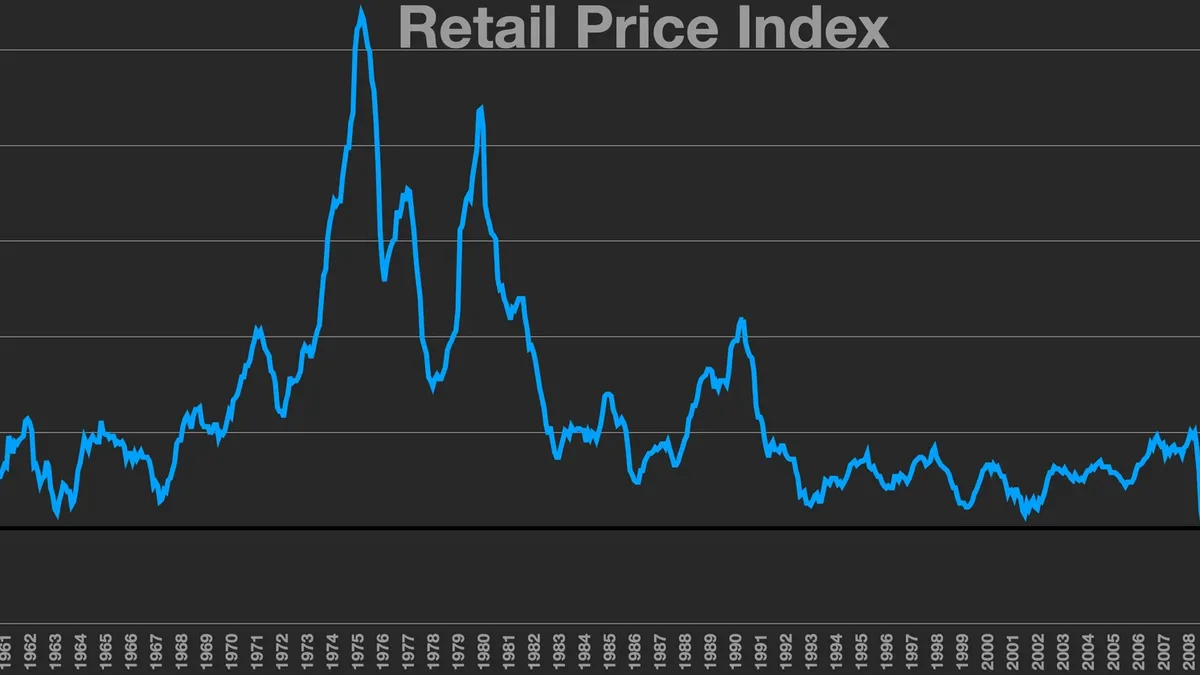
The annual inflation rate has fluctuated through 2026. The headline PCE price index registered 3.4 percent in March, peaked at 3.8 percent in May, and settled at 3.6 percent by September. The core measure has been more stable, holding between 3.0 and 3.2 percent for most of the year before ticking down to 3.1 percent in September.
Current-dollar disposable personal income growth slowed to 0.2 percent in September from 0.3 percent in August. The data for July and August were revised to incorporate updated employment statistics. A separate revision to personal interest income was made based on new data from the U.S. Bureau of the Fiscal Service.
The Bureau of Economic Analysis will release the next set of personal income and outlays data, covering October 2026, on November 25.