U.S. Economy Grew 3.4% in Q3 2024 as Inflation Accelerated
The U.S. economy expanded at a faster-than-expected 3.4% annualized rate in the third quarter of 2024, even as inflation rose to 3.7%, creating a complex policy challenge for the Federal Reserve.
The U.S. economy grew at a 3.4% annualized pace in the third quarter of 2024, exceeding economist forecasts. This acceleration from the 2.2% growth seen in the second quarter came alongside a persistent rise in inflation, which remains above the Federal Reserve's target.
Inflation metrics remain raised
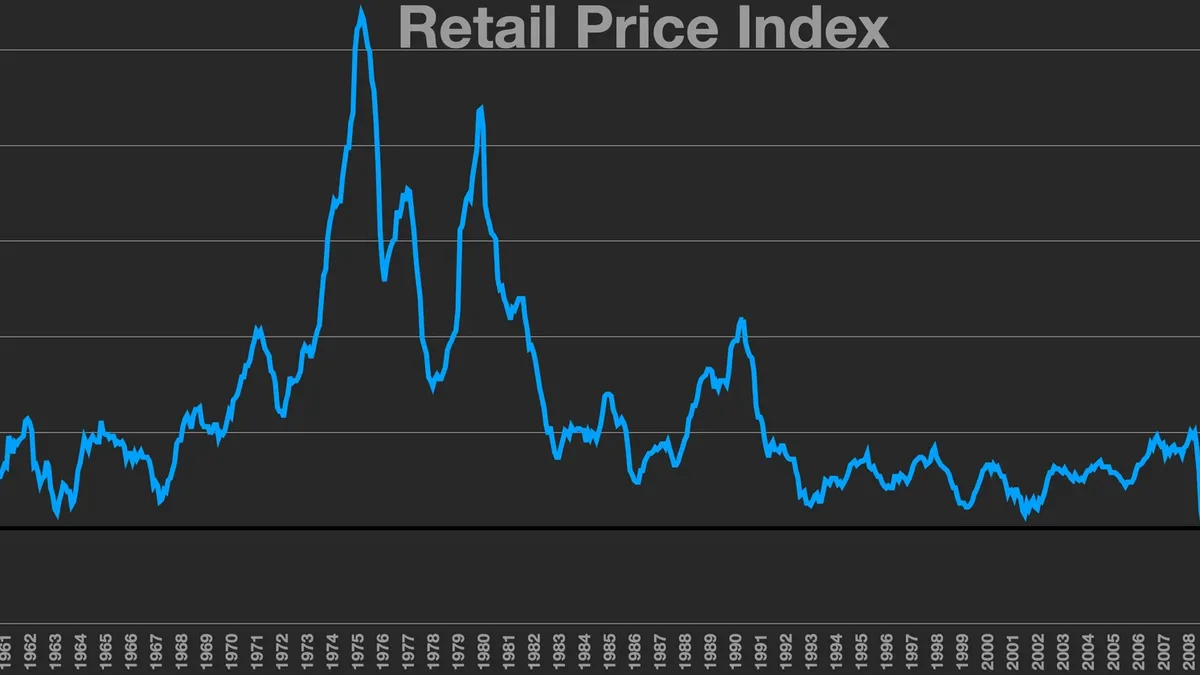
Inflation continued to climb in September. The Consumer Price Index rose to 3.7%, up from 3.4% in August. The Federal Reserve's preferred gauge, the Personal Consumption Expenditures price index, accelerated to a 3.6% annualized rate. Core inflation, which excludes volatile food and energy costs, also increased to an annualized rate of 3.1%.
Key inflation and growth figures from the period show the conflicting trends.
| Metric | September 2024 Rate | Previous Month (August) Rate |
|---|---|---|
| Consumer Price Index (CPI) | 3.7% | 3.4% |
| PCE Price Index (Annualized) | 3.6% | 3.4% |
| Core Inflation (Annualized) | 3.1% | Not Provided |
This persistent price pressure occurred as average gasoline prices stayed above $4 per gallon, approximately one dollar more than a year earlier.
Consumer spending holds despite pressures
Consumer spending increased at a 3.8% pace for the July-September quarter, acting as a primary driver of growth. This resilience continued into September, with spending rising 0.5% even as personal incomes increased only 0.2%. Households have been saving less and drawing down savings to fund their expenditure. University of Michigan consumer sentiment, however, was down 15% from its level in February 2024.
Labor market and wage dynamics
A tight labor market helped underpin this spending. Initial jobless claims edged lower to a seasonally adjusted 194,000, indicating historically low layoffs. Despite this strength, wage gains have at times lagged behind inflation, squeezing household budgets.
The economic expansion, driven by resilient consumer spending and AI-driven business investment, more than offset the impact of higher oil prices stemming from conflict in the Middle East. Tech firms have borrowed heavily over the past year to fund artificial intelligence projects, though this borrowing poses a potential downside risk to future equipment spending.
Federal Reserve policy stance
Facing this mix of strong growth and raised inflation, the Federal Reserve left its benchmark interest rate unchanged in a range of 3.75% to 4%. The central bank acknowledged that inflation 'remains raised' and stated that holding rates steady would allow for 'the accumulation of more information' to determine future policy. Its 2% inflation target remains the benchmark for all decisions. With the economy expanding well above the Fed's estimated non-inflationary growth rate of about 2%, many economists now expect a rate increase in December.
Former Fed Governor Kevin Warsh noted the economy's strength, saying, "economic activity is expanding at a strong pace." He added, "while uncertainty remains, owing in part to geopolitical developments, domestic spending has been resilient." The data presents a complex picture for policymakers as they balance robust growth against persistent price pressures.