UK Services Growth Accelerates as Inflation Pressures Persist
The UK services sector recorded its strongest growth in eight months in October, increasing pressure on the Bank of England to raise interest rates.

The UK services sector recorded its strongest growth in eight months in October, ending two years of continuous job cuts. The S&P Global survey showed services sector growth leapt last month, with the Purchasing Managers' Index (PMI) rising to 52.8 from 52.1, indicating a solid rebound in new orders for service providers.
This acceleration increases pressure on the Bank of England to raise interest rates on Thursday. Financial markets expect three further interest rate increases. The Bank's monetary policy committee is expected to vote for a 0.25 percentage point increase to 4%.
Inflation pressures remain raised
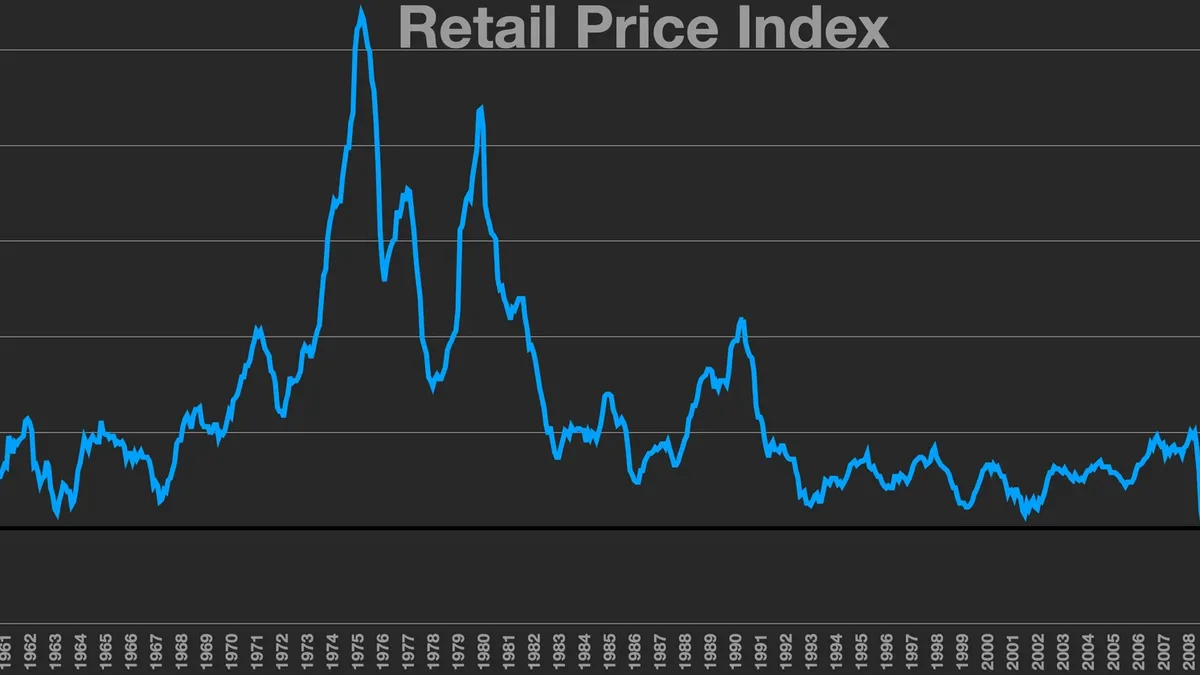
Consumer price inflation rose from 3.1% in August to 3.5% in September. Underlying services inflation is estimated by the Bank of England to be running at about 4.1%. Input price inflation accelerated to a five-month high in the services sector survey.
About four in ten firms reported an increase in input prices. Only 1% of the survey panel reported a decline. The services output price balance dropped slightly to 56.9 from 57.8 in September. Most City economists believe inflation is likely to peak in the spring of next year.
Tim Moore, economics director at S&P Global Market Intelligence, stated businesses face strong price pressures. Matt Swannell, chief economic adviser to the Item Club, cautioned that consumer-facing services will come under pressure as household spending power is squeezed. Growth in business-to-business services was not matched on the high street, Swannell said.
High inflation is eroding household purchasing power. Income at the disposal of households after adjusting for inflation and taxes fell in September after being unchanged in August. The saving rate is at a four-year low of 3.8%.
Central banks prepare for further tightening
The Bank of England's expected hike comes as other central banks also grapple with persistent inflation. The European Central Bank left borrowing costs unchanged last week, despite eurozone inflation rising to 4% last month, a three-year high.
In the United States, the Federal Reserve left its benchmark overnight interest rate within the 3.75%-4.00% range. It acknowledged inflation 'remains raised'. Economists expect the US central bank to raise borrowing costs in December. Economists expect inflation to continue above the Federal Reserve's 2% target into 2027.
US services growth moderates
Growth in the US services sector slowed marginally in October. The US services sector PMI fell to 54.5 from 54.9 in September, against economists' forecasts for it to remain unchanged at 54.8. A reading above 50 indicates growth in the sector, which accounts for more than two-thirds of US economic activity.
The moderation came amid weaker new orders and sustained high input price inflation. The new orders measure decreased to 55.9 from 59.8 in September. The prices paid by businesses for inputs eased to 73.0 from 74.0. The ISM reported a slight moderation in prices paid for inputs by manufacturers in October.
The sector benefited from demand for AI applications and software services due to a datacentre construction boom. Greater workloads were attributed to improved sales opportunities linked to AI investment spending.
Consumer spending is expected to pull back after back-to-back quarters of robust growth. The services sector employment measure rose to 51.4 from 50.1 in September. Economists expect October payrolls to advance by 65,000 after increasing 29,000 in September. The unemployment rate is forecast to remain unchanged at 4.2%.
The supplier deliveries measure increased to 56.7 from 53.2 in September. Deliveries have slowed for 23 consecutive months.