Bank of Japan raises interest rate to 1.25%, a 31-year high
The Bank of Japan raised its key interest rate to 1.25%, the highest since 1995, in a split decision. Meanwhile, UK retail sales rose 0.9% in the three months to August, beating forecasts.

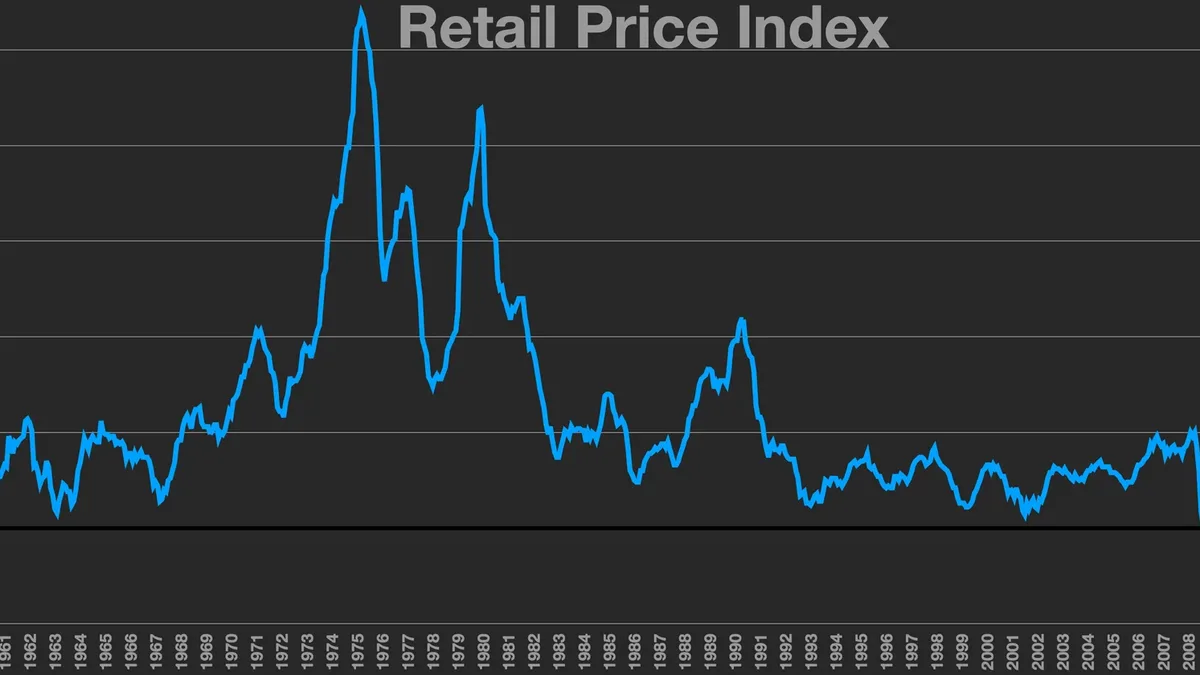
The Bank of Japan has raised its target interest rate to 1.25%. This is the highest level since 1995. The quarter-point hike was not unanimous, with two board members dissenting. The move aligns Japan with the US Federal Reserve and the European Central Bank in a global tightening cycle aimed at fighting inflation. The Bank of England, however, left UK rates on hold at 3.75% yesterday.
The Japanese central bank has been raising rates since 2024, when it exited negative territory. Pressure to act mounted as the yen weakened significantly against the dollar this year, forcing currency market interventions. Markets reacted to the internal dissent. "The market has reacted to the two high profile dissenters," said Jim Reid, a strategist at Deutsche Bank. The yen fell 0.72% to 157.10 against the dollar following the announcement.
Governor Ueda's Policy Guidance
Bank of Japan Governor Kazuo Ueda addressed reporters after the decision. He avoided committing to a specific future pace for rate hikes. "We don't have any pre-set idea in mind such as once every three months," Ueda stated. He explained the central bank's focus has shifted from lifting inflation toward stabilizing it at the 2% target. If risks of underlying inflation overshooting 2% materialise, that could have a negative impact on Japan's economy, he said.
Ueda highlighted persistent energy costs as a key risk. He also noted the uncertainty around the so-called neutral interest rate, making the terminal rate hard to pinpoint. The governor emphasized a careful, data-dependent approach. We will analyse data carefully and take timely action as needed, he told the press conference.
UK Retail Sales Beat Expectations
Separately, retail sales in Great Britain showed unexpected strength. Sales volumes rose by 0.5% in August, reversing a 0.5% drop in July. Economists had forecast a 0.2% decline. Over the three months to August, sales volumes increased by 0.9%, according to the Office for National Statistics.
The ONS attributed the quarterly rise to several factors. Online retailers had a strong June, possibly as shoppers avoided the heatwave. Supermarkets performed well in July and August. Retailers selling alcohol and beverages reported good sales across all three months, citing promotions, hot weather, and the men's football World Cup.
Sector Performance and Oil Price Shift
Not all sectors saw growth. Fuel sales dropped by 1.7% in August and were down 2.5% over the three-month period. The ONS linked this to motorists cutting back on non-essential journeys after major increases in petrol and diesel prices since the start of the Iran conflict in February.
Oil prices fell 2% this morning, offering some relief. Brent crude dropped to $102.55 a barrel. The decline followed reports that Saudi Arabia might restore roughly half the capacity of its damaged East-West Pipeline within days, easing supply disruption fears. A lower oil price would cheer households and central bankers alike.