Australia's inflation hits 4% in August, RBA
Australia's annual inflation accelerated to 4% in August, driven by a 15% monthly surge in fuel prices, prompting the Reserve Bank to raise the cash rate
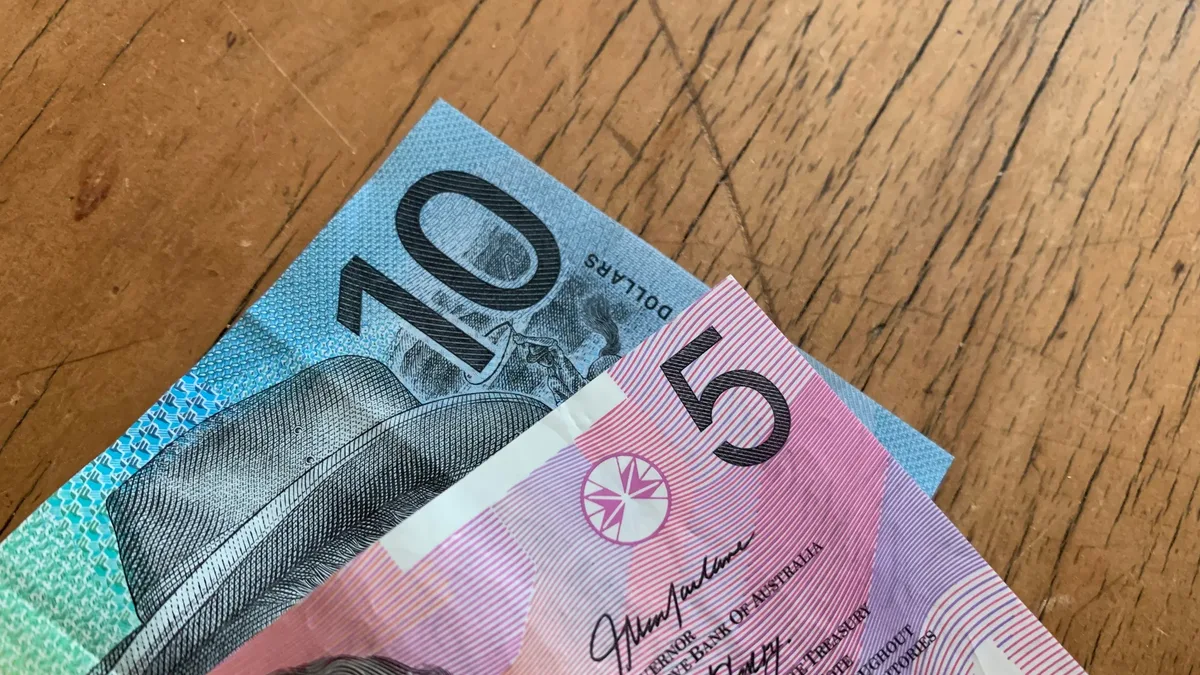
Australia's annual inflation rate rose to 4 per cent in August, up from 3.5 per cent in July. The jump was fuelled by a 15 per cent monthly surge in fuel prices and persistent increases in home building costs.
The Australian Bureau of Statistics reported the sharp fuel price increase on Wednesday. Rising transport costs were the prime contributor to price increases for the month. Over the year, home building costs rose by 5.4 per cent, with the ABS stating builders passed on higher costs for materials and labour. Electricity bills also increased compared to the same time last year, a period when households were still receiving government rebates.
Global oil shocks and domestic pressures fuel price surge
Treasurer Jim Chalmers attributed the inflation spike to higher global oil prices flowing through to Australian fuel costs. He linked this directly to the worsening Middle East conflict involving the United States and Israel. "That’s not an opinion. It’s a fact," Chalmers said.
Reserve Bank Governor Michele Bullock also pointed to the conflict's impact on oil prices. She added that domestic capacity pressures and a sudden boom in AI-related spending on datacentres were contributing factors. Bullock warned these developments suggest inflationary pressures will persist for longer than previously expected.
RBA responds with fourth rate hike of 2026 to combat entrenched inflation
The Reserve Bank of Australia raised the benchmark cash rate the day after the inflation data release. On Tuesday, its Monetary Policy Board increased the cash rate target by 0.25 percentage points, from 4.35% to 4.6%. This marks the fourth rate increase in 2026 and takes interest rates to their highest level in 15 years.
The move aims to reduce inflation and prevent it from becoming entrenched. Both headline and underlying inflation remain well above the RBA’s 2.5 per cent target. The bank's preferred core inflation measure, the trimmed mean, remained steady at 3.6 per cent for the third consecutive month.
Economists warn of further tightening as government spending adds to demand
Cherelle Murphy, chief economist at EY, stated that another rate hike looks likely by the end of the year. She cited high government spending at both Commonwealth and state levels as a factor adding to demand in the economy. Murphy stressed the government should be extremely careful with any new spending, including cost of living relief.
She was clear, however, that global supply shocks remain the primary driver. "Do I think this is the biggest part of the inflation problem right now?" Murphy said. She described the situation as an accumulation of events, none of which are good for inflation. Treasurer Chalmers denied being at odds with the RBA Governor's assessment.
Policy and market reactions highlight growing economic strain
The federal government's temporary fuel excise relief has ended, adding to cost pressures. Shadow Treasurer Tim Wilson criticised the government's economic plan for failing to insulate families from price shocks. Market data shows the strain, with mortgage demand across Australia dropping by 14.1 per cent year-on-year in August.
The Reserve Bank will next meet in November to assess monetary policy.