Bank of England to hold rates, slow bond
The Bank of England is expected to hold interest rates at 3.75% today while slowing its bond-selling programme, as policymakers balance high inflation
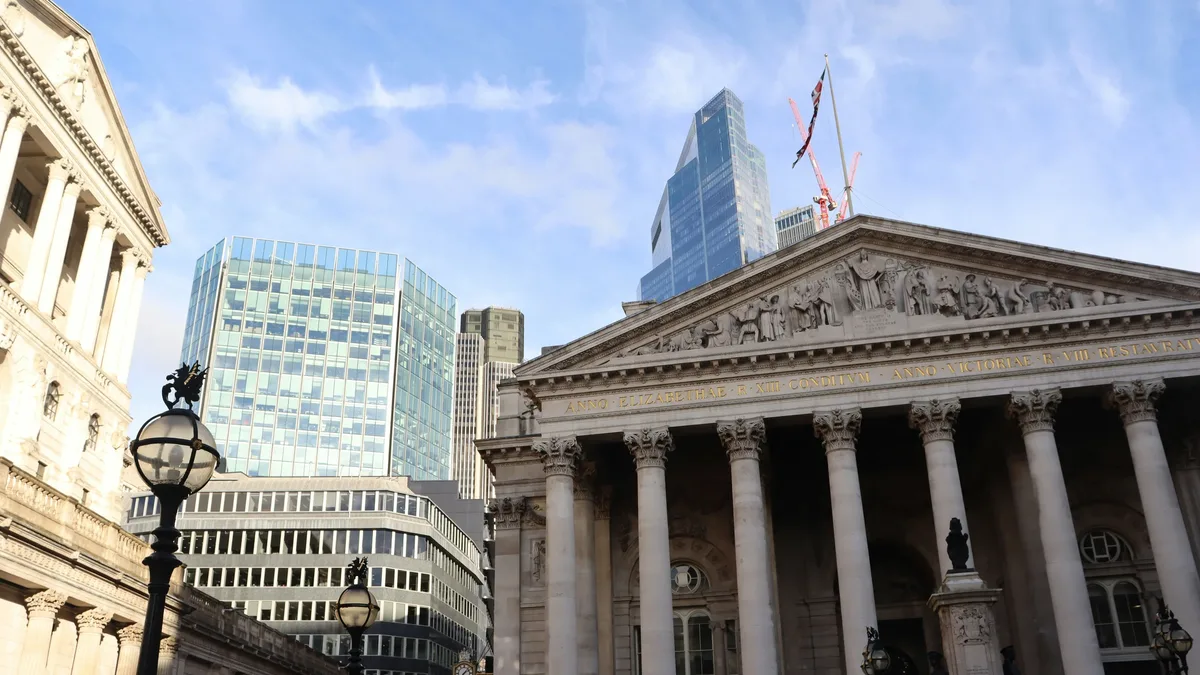
The Bank of England is widely expected to hold its key interest rate at 3.75% at noon today. Money markets see an 80% chance of no change, with only a 20% probability of a hike.
Today's decision comes amid a difficult trade-off for UK policymakers. Inflation remains above the central bank's 2% target, yet the labour market is softening. Daniela Hathorn, senior market analyst at Capital.com, says the data presents an uncomfortable choice between guarding against a second wave of price rises and avoiding unnecessary damage to a fragile economy.
The QT dilemma
The Bank is also expected to announce changes to its quantitative tightening (QT) programme, the process of selling bonds it bought during earlier stimulus efforts. Economists anticipate a slowdown in the pace of these sales, potentially to an annual rate of £50 billion from the previous £70 billion.
Active bond sales have been controversial. The Bank sells bonds for less than it paid, creating losses for taxpayers. The programme also pushes up government borrowing costs. The Bank of England states the aim of QT is not to affect interest rates or inflation, but to ensure it can deploy quantitative easing again in future if needed.
Market expectations and retail warning
Despite the likely hold today, money markets are pricing in further rate rises over the longer term. As of last night, investors expected four quarter-point increases by the end of 2027, which would lift the Bank Rate to 4.75%.
Retail chain Next issued a profit upgrade and a warning on the same morning. The company raised its full-year profit forecast by £12 million to £1.255 billion, citing better sales and cost savings. Its shares rose 3.2% to £150. However, Next also cut its UK sales growth forecast from 2.8% to 2.0% and urged Chancellor John Healey not to raise taxes in next month's budget.
"Our primary concerns are rising inflation, higher mortgage interest costs and a weak employment market," the company said. "These worries will only be compounded if they are accompanied by tax increases."
External pressures
Geopolitical factors continue to complicate the inflation picture. Commodity vessel transits through the Strait of Hormuz fell to just three ships on Wednesday, down from 12 a day earlier, according to data. This shows ongoing disruptions to oil and gas flows from the Middle East due to the Iran war, which could keep energy prices elevated.
The Bank's decision follows a rate hike by the US Federal Reserve yesterday. Fed Chair Kevin Warsh stated, The plain fact is that [US] inflation is too high, and has been for too long. He added that recent summer readings did not show meaningful improvement in underlying trends.
Kathleen Brooks, research director at XTB, highlighted the UK's domestic challenges. She noted a weak labour market with falling payrolled employment, negative real wage growth, and multi-year low job vacancies. While July growth was stronger than expected, it was driven by AI-related capital expenditure, while construction and manufacturing contracted.
The Bank's monetary policy committee announcement is scheduled for 12pm BST.