UK inflation hits 3.5% as fuel costs surge
UK inflation accelerated to 3.5% in September, exceeding forecasts and driven by record fuel price increases linked to ongoing Middle East conflict, squeezing household budgets and increasing pressure on the Bank of England to raise rates.
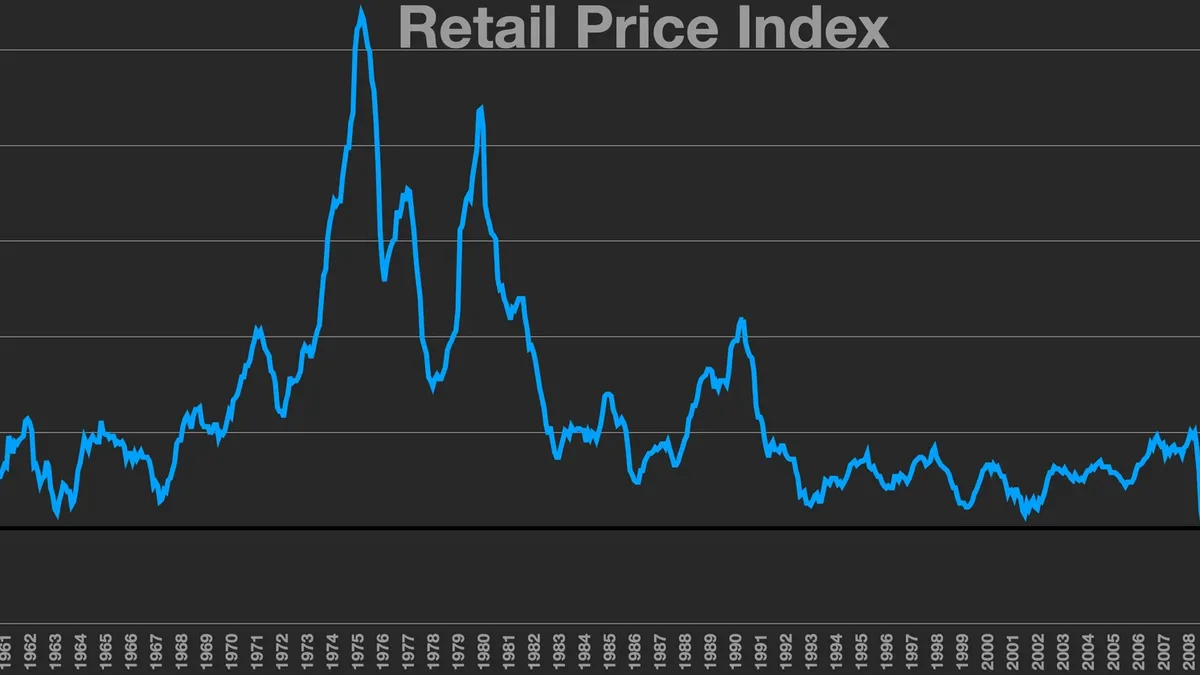
UK inflation climbed to 3.5% in September, up from 3.1% in August. This marks the highest level since October 2025 and the third successive increase, surpassing the 3.4% figure most economists had forecast.
Fuel prices the main driver of inflation surge
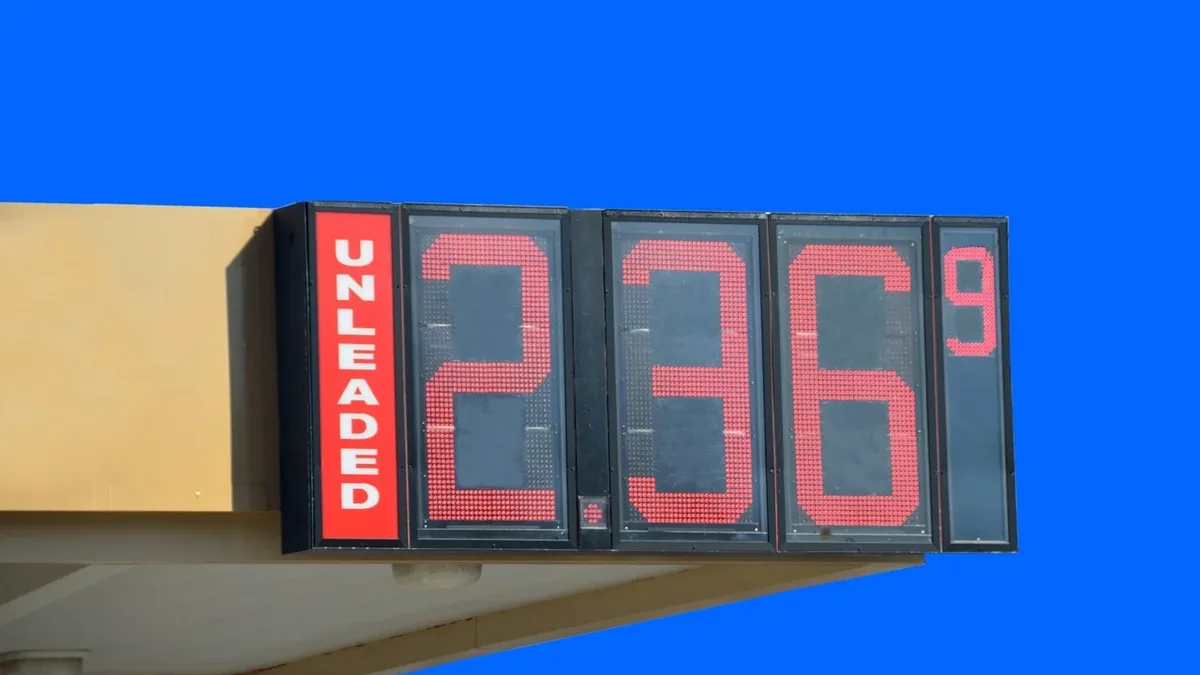
Fuel costs were the single largest factor pushing up inflation. In September alone, fuel prices jumped by 9.1%, accounting for more than half of the increase. The rise was driven by disruption to Middle East oil supplies from the US-Israel conflict with Iran.
Petrol and diesel prices leapt significantly. The average price of petrol rose by 8.2p per litre between August and September 2026, compared to a fall of 0.2p in the same period last year. Diesel rose by 10.7p per litre in September 2026, compared to a fall of 0.4p in September 2025.
| Fuel Type | Price Change (Sept 2026) | Average Price (Sept 2026) |
|---|---|---|
| Petrol | +8.2p per litre | 169.5p per litre |
| Diesel | +10.7p per litre | 192.5p per litre |
The RAC said the average price for diesel surpassed £2 a litre for the first time ever at the beginning of October, though it has since come down marginally to £1.99 a litre. This record high will not be reflected until next month's inflation data.
Geopolitical tension fuels price rises
Oil and gas prices have soared since the end of February when the US and Israel launched their conflict with Iran. The Strait of Hormuz has been practically closed to most fossil fuel traffic since then, pushing the Brent crude price to around $110 a barrel.
Bank of England faces rate pressure
Economists widely forecast the Bank of England to raise interest rates next month amid concerns inflation will jump above 4% next year. Charlotte O'Leary, economist at the National Institute of Economic and Social Research, said inflation is likely to continue rising through the winter and could reach 4%, double the Bank's target, by early 2027.
Martin Beck, chief economist at WPA, said the higher than expected inflation rate made it almost inevitable the Bank of England would raise rates on 5 November. He cautioned that raising interest rates cannot produce more oil or gas and risks weakening a fragile economy. The Bank uses higher rates to make borrowing more expensive, reducing spending and demand to help bring inflation down.
Investors are pricing in four hikes over the coming year, but Beck suggests an improvement in the international climate could change the inflation outlook quickly.
Elsewhere in the data, air fares dropped in September by much less than usual after the traditional summer peak. Food price growth remained steady at 1.3%, while clothing costs fell slightly.
Chancellor John Healey blamed the inflation rise on the war in the Gulf. "We know that price rises from conflicts in the Middle East and Europe are hitting Britain and countries worldwide," he said. He added that his upcoming budget would 'drive for growth in every postcode' to improve living standards.
Healey also highlighted the approval of North Sea gas from the Jackdaw field, with revenues to be invested in clean energy. Energy costs remain a pressure, with the Ofgem price cap currently at £1,723 a year for a typical household paying by direct debit. Analysts at Cornwall Insight are forecasting an increase to £1,999 in January.
The expectation is now firmly set for a Bank of England rate hike on 5 November, despite warnings that such a move cannot increase oil or gas supply.