Trump's Economic Claims Tested by Inflation and Uneven Growth
As midterm elections approach, President Trump touts US growth outpacing G7 peers and record median incomes, but inflation remains above his inherited level and policy impacts hit middle- and low-income households hardest.

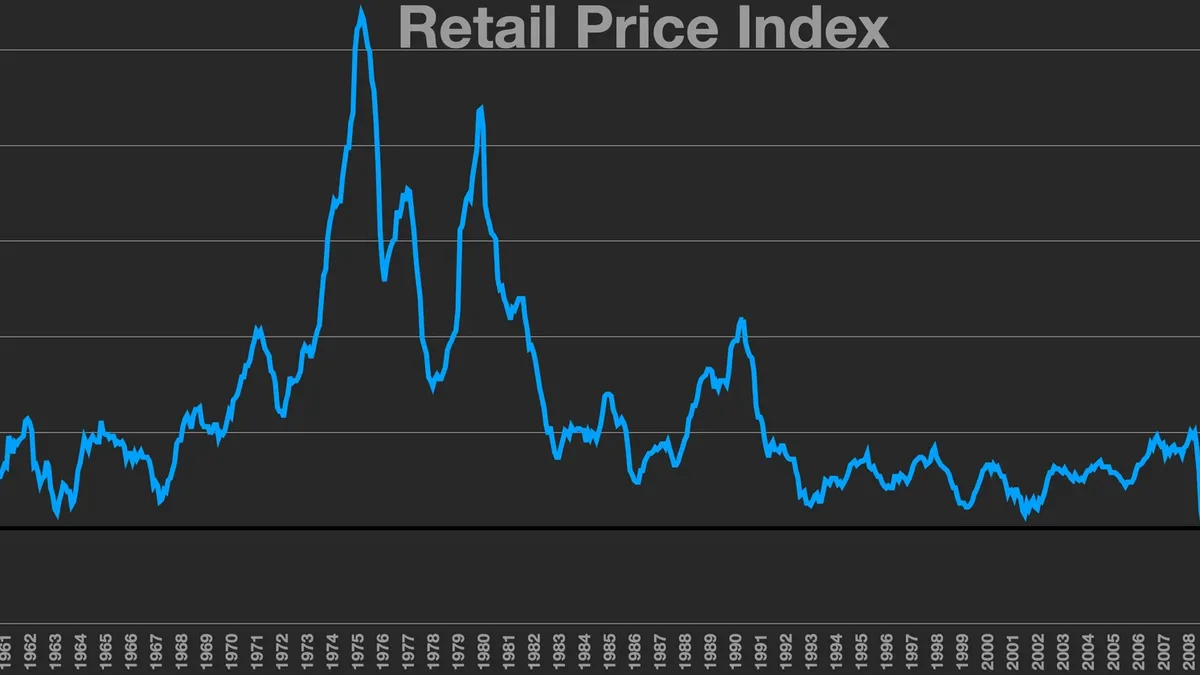
President Donald Trump is campaigning on a message of economic success ahead of the midterm congressional elections, claiming he has boosted incomes and created jobs. The latest data shows the US economy growing at an annualised rate of 2.2%, with GDP increasing by around 3.2% overall since the end of 2024, just before his second term began. That growth outpaces all other G7 members over the same period and has been faster than the International Monetary Fund forecast after Trump announced new tariffs in April 2025. The current inflation rate is 3.7%, down from a 9% peak under President Biden but higher than the 3% rate Trump inherited. Meanwhile, the inflation-adjusted median household income rose 2.6% in 2025 to a record $87,460.
Mixed drivers of US economic performance
Growth is supported by an AI investment boom and significant government deficit spending. Spending on building data centers by US businesses reached $5 billion in August 2026, nearly double the monthly rate when Trump returned to office. Economists estimate inflation would have been lower without the new tariffs imposed since his return. The impact of the US-Israel war with Iran on global energy prices has also pushed up domestic inflation. Trump eased his initial 'Liberation Day' tariffs considerably in subsequent months, reducing their expected economic impact. The high rate of government borrowing is itself helping to boost GDP growth.
Household financial impacts under Trump
Analysis from the Institute on Taxation and Economic Policy (ITEP) think tank estimates the combined effects of Trump's tax cuts, the expiry of health insurance subsidies, and higher-than-expected price rises linked to tariffs and the Iran war. Its conclusion is that the impacts are uneven. The middle fifth of households are, on average, around $1,700 worse off in 2026 than they would have been. The poorest fifth are around $750 worse off. In contrast, the richest 1% are estimated to be an average of $12,560 better off, primarily due to the tax cuts. ITEP's estimates on tariff impacts are broadly similar to those of the Tax Foundation think tank.
Jobs, borrowing, and market signals
Job growth has slowed significantly from the pace seen under the previous administration. An average of 34,000 jobs have been added each month since Trump returned to the White House, down from 122,000 per month in the final year of Biden's presidency. Manufacturing employment, at 12.6 million in September 2026, is slightly lower than when Trump's second term began. The unemployment rate remains relatively low at 4.2%, partly due to Trump's immigration crackdown reducing the size of the available workforce.
Government borrowing has increased, driven partly by tax cuts. The federal deficit was $2 trillion in the year to September 2026, equivalent to around 6% of GDP, and is projected to rise above 8% by 2030. This growing deficit is a reason the US government gets charged more to borrow. The 10-year US government bond yield has risen sharply since January 2025 and is now above 5%, the highest rate since 2007. That increase puts upward pressure on mortgage rates for American households.
Inflation, politics, and voter sentiment
Inflation grew to 3.7% in September, a rate slightly higher than forecast. The September report is the last consumer price index reading before the midterm elections next month. President Trump said 'we're doing great' when asked about it and has been holding rallies nationwide, aiming for more than 30 before the election. He has pledged to pay Americans $5,000 if Republicans keep control of Congress and warns of a 1929-style depression if Democrats win. Polling suggests voters blame Trump for the economy and high prices, with the September report highlighting costs for home heating oil and air travel.
GOP strategist Brendan Steinhauser said inflation has a big impact on regular folks trying to put food on the table and pay bills. He argued that if costs are not brought down and lives are not improved in the near term, voters will hold the president and his party accountable. Steinhauser said Trump needs to acknowledge economic pain more directly and work to bring down prices to resonate with voters. The September inflation report is the last key data point before the midterm elections.