Bank of England to sell gilts directly to Treasury, pausing
The Bank of England plans to sell its government bonds directly to the Treasury, pausing its quantitative tightening program until a final decision in
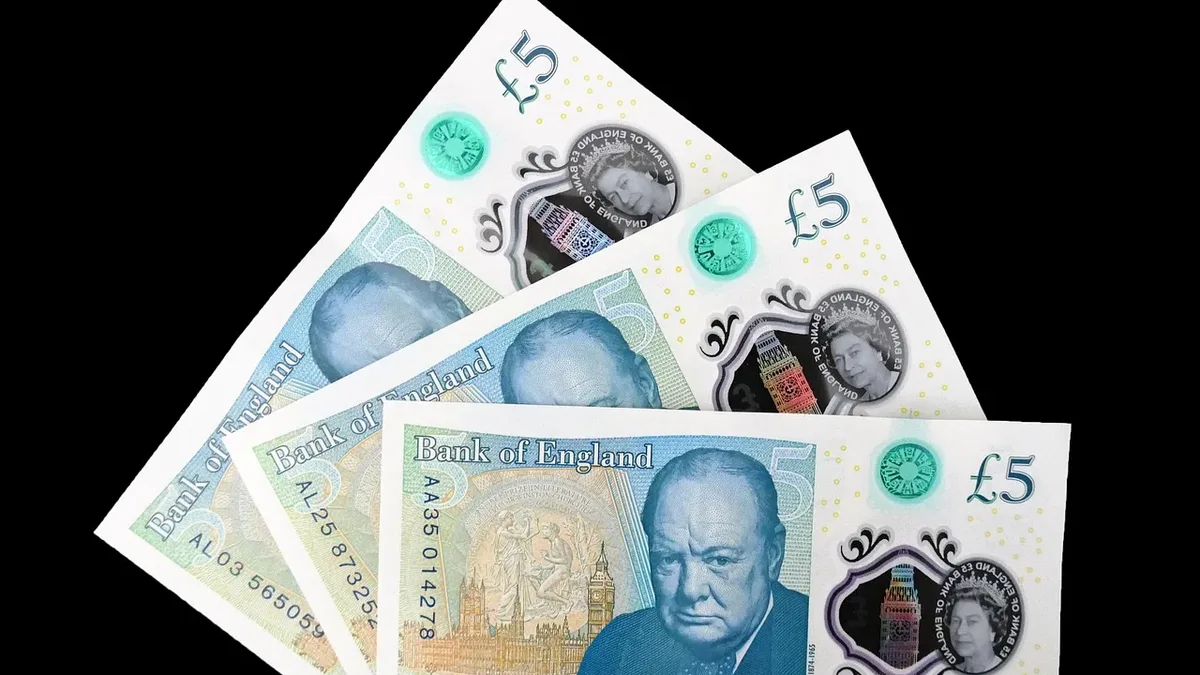
The Bank of England is overhauling how it sells off its vast stockpile of government bonds, pausing its quantitative tightening program until next spring. Instead of seeking private buyers, the Bank will sell gilts directly to the Treasury, a shift intended to simplify the process and ease market pressures.
The new sales model
Under the proposed plan, the Bank of England's Monetary Policy Committee will sell its gilts to the Treasury instead of to private investors. The Treasury's Debt Management Office will then issue new bonds to cover the cost of those purchases. Chancellor John Healey described the model as "a return to a single public-sector supplier of gilts to the market." This approach allows the DMO to tailor new bond issuance to current investor demand, which favors shorter-dated gilts. The Bank currently holds many 20- and 30-year bonds for which investor appetite is weaker.
The announcement had an immediate market impact. The yield on 30-year gilts fell sharply to 5.745%, heading for its largest single-day drop since 2020. No final decision has been made, however. Despite discussions lasting a year, Healey has promised a final ruling in April, and quantitative tightening will be paused until then.
Slowing the pace of QT
The Bank had already been slowing the pace of its bond sales to avoid destabilizing fragile markets. This year, it reduced its gilt stockpile by £70 billion through a combination of £20 billion in sales and £50 billion in bonds reaching maturity. It plans annual sales of £20 billion alongside the retirement of maturing bonds.
The minutes from the latest MPC meeting revealed members discussed selling bonds faster but decided against it. They noted that "at a time when bond markets globally had been volatile, this risked destabilising markets." The Bank also announced it would set aside roughly £120 billion of its longest-dated gilts, as these back the issuance of UK banknotes.
If the new plan is approved, the Bank expects to sell a total of £146 billion of gilts back to the government between now and 2034.
| Period | Planned Gilt Sales | Additional Detail |
|---|---|---|
| 2024 | £70bn reduction | Comprising £20bn in sales and £50bn in maturing bonds. |
| Annual Plan | £20bn | Steady annual sales target alongside maturing bonds. |
| Total to 2034 | £146bn | Total expected sales if the new plan is approved. |
Financial and market implications
Analysts expect the impact on public finances to be modest. The Treasury may finance its borrowing more cheaply when the Bank is not selling large quantities of long-dated bonds into the market. Analysts at investment bank Jefferies stated the changes imply a materially lower future supply burden, particularly for [long-dated gilts].
Slowing the sales pace also means the losses on these bonds, which are borne by the Treasury, will be realized more slowly, providing a marginal benefit. Jefferies also suggested that by clarifying its future plans, the MPC's decision could ease pressure for further changes to the Bank's quantitative tightening approach. The Bank's stockpile of gilts has already been reduced from a peak of £895 billion in February 2022 to £488 billion.